Broadcast television is entering a new era of regulatory scrutiny, and Disney is at the center.
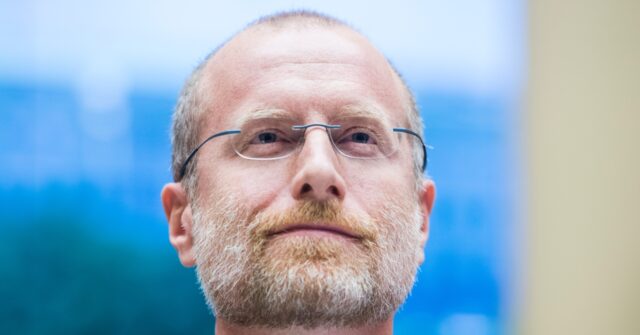
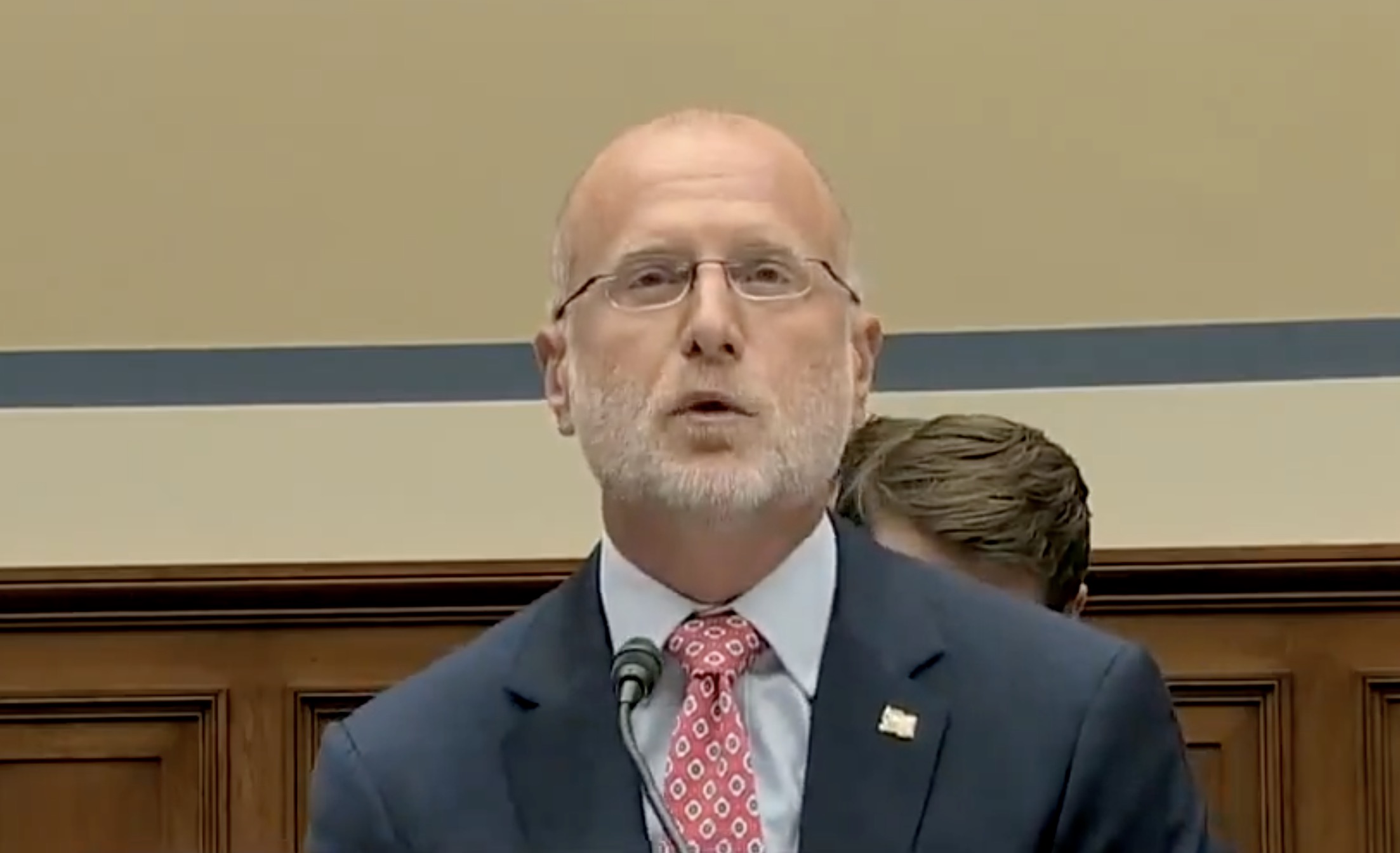
The Federal Communications Commission (FCC) is reportedly preparing a formal review of Disney’s broadcast television licenses—an unprecedented move that signals growing tension between federal regulators and media giants over content governance, political alignment, and corporate social policy. At the forefront is FCC Chairman Brendan Carr, who has publicly criticized Disney’s diversity, equity, and inclusion (DEI) programs, suggesting they may conflict with the public interest standard required of broadcast license holders.
This isn’t just about programming preferences or political bias. It’s about whether a company entrusted with public airwaves is fulfilling its legal obligations—and whether those obligations can be interpreted to include ideological neutrality.
Why Broadcast Licenses Are Under Scrutiny
Broadcast television stations in the U.S. operate on public airwaves—spectrum owned by the American people. In exchange for access, broadcasters must comply with federal regulations and serve the “public interest, convenience, and necessity,” a requirement embedded in the Communications Act of 1934.
While cable and streaming services like Disney+ aren’t subject to the same licensing rules, Disney owns linear broadcast assets—most notably through its ABC network and affiliated local stations. These stations hold FCC licenses that must be renewed every eight years. Though renewal is typically routine, the FCC retains the authority to challenge or deny renewal if a licensee is deemed to have violated public interest standards.
Chairman Carr’s intervention suggests the FCC may now interpret “public interest” more broadly—not just as a mandate for truthful news or children’s programming, but as a bar against perceived ideological advocacy.
“When companies use their control over the public airwaves to push partisan agendas or ideological litmus tests, that raises legitimate regulatory questions,” Carr stated in a recent interview.
This marks a notable shift. Historically, the FCC has avoided content-based regulation, citing First Amendment concerns. But Carr argues that DEI initiatives that influence hiring, storytelling, and on-air messaging could constitute a form of institutional bias—especially if they exclude viewpoints or marginalize audiences.
The Link Between DEI and Broadcast Accountability
Disney has long championed diversity in its workforce and storytelling. From casting decisions to executive appointments, the company has publicly tied its brand to progressive social values. Recent initiatives include:
- Mandating diverse hiring for production crews
- Requiring inclusive storylines in scripted programming
- Establishing internal DEI training and accountability metrics
While these efforts are voluntary for most industries, the FCC’s potential review raises a critical question: Can a company that controls broadcast licenses use those platforms to advance a specific ideological framework?
Carr hasn’t accused Disney of breaking specific laws. Instead, he’s framed the issue as one of fairness and balance. His concern isn’t simply that Disney promotes diversity—it’s that the implementation may silence alternative perspectives, particularly conservative ones, under the guise of inclusion.
“Diversity shouldn’t mean ideological conformity,” Carr said. “If only one set of views is welcome behind the camera or in front of it, that’s not inclusion—it’s exclusion with a hashtag.”
This argument hinges on perception as much as policy. The FCC doesn’t typically audit corporate training modules or diversity reports. But if the commission seeks to make content neutrality a licensing criterion, it would set a precedent with far-reaching implications.
For Disney, the stakes are high. If the FCC delays or conditions license renewals, it could disrupt station operations, trigger legal battles, and invite deeper scrutiny into programming decisions.
Historical Precedents and Regulatory Boundaries
The FCC has rarely challenged broadcast licenses over content or corporate policy. Past actions have focused on clear violations:
- Obscenity (e.g., FCC vs. Fox for fleeting expletives)
- False advertising
- Failure to provide emergency alerts
- Ownership rule violations
Political bias has traditionally been off-limits. The Fairness Doctrine, which required broadcasters to present contrasting views on controversial issues, was abolished in 1987. Since then, the FCC has avoided policing editorial content.
But Carr’s stance suggests a revival of scrutiny through a different lens: corporate conduct as a proxy for broadcast fairness. By targeting Disney’s internal DEI policies, the FCC could argue that these programs indirectly shape content in a way that fails the public interest standard.
Legal experts are divided. Some believe the move is within the FCC’s broad statutory authority. Others warn it risks politicizing media regulation.
“The FCC can’t dictate editorial policy,” says Dr. Lena Pruitt, communications law professor at Northwestern. “But it can ask whether a licensee’s operational decisions align with equitable access to the airwaves. The line is thin, but it’s not imaginary.”
Disney has not violated any explicit rules—yet. But if the FCC begins tying license eligibility to ideological balance, it opens the door for similar reviews of other networks, left or right.
Disney’s Response and Corporate Strategy
Disney has not issued a formal statement addressing the potential license review. However, internal communications obtained by media outlets suggest growing concern at the executive level.
The company views its DEI initiatives as essential to modern storytelling and workforce development. Executives argue that reflecting America’s diversity isn’t political—it’s accurate.
In practice, this means:
- Casting actors from underrepresented groups in leading roles
- Partnering with minority-owned production companies
- Funding content that explores social justice themes
These decisions have resonated with younger audiences but drawn criticism from conservative viewers who accuse Disney of promoting a “woke agenda.” The backlash has affected box office performance for some films and fueled subscriber churn on Disney+.
Now, with regulatory risk entering the equation, Disney faces a strategic dilemma: double down on its current direction or pivot toward broader ideological neutrality to protect its broadcast assets.
Unlike Netflix or Amazon, Disney still relies on traditional TV revenue and affiliates. ABC’s local stations reach millions of households, many in politically mixed markets. Losing even one license could create a domino effect, emboldening challenges in other regions.
What This Means for the Media Landscape
The FCC’s move—if formalized—could reshape how media companies operate.
Consider the implications:
- Broadcasters may self-censor DEI initiatives to avoid regulatory exposure
- Streaming services gain advantage, as they’re unregulated by the FCC
- Partisan alignment becomes a compliance risk, not just a brand issue
- License renewals turn political, inviting challenges from advocacy groups on both sides
This isn’t hypothetical. Conservative activists have already filed informal complaints against other networks, citing perceived liberal bias. If the FCC establishes a precedent with Disney, expect a wave of similar petitions targeting MSNBC, CNN, and even PBS.
Conversely, progressive groups may respond by challenging Fox or NewsNation over diversity shortfalls. The regulatory arena could become a battleground for culture war disputes—fought not in courts, but in FCC dockets.
For media executives, the message is clear: public airwaves come with public expectations. And those expectations may now include ideological balance.
Practical Implications for Broadcasters
If the FCC moves forward with Disney, other broadcasters should prepare.
Here’s what media companies can do now:
- Audit internal DEI policies for language that could be construed as exclusionary
- Document programming balance across political and social issues
- Engage legal counsel specializing in FCC compliance
- Review training materials for potential bias claims
- Strengthen public interest reporting—showcasing community engagement, emergency coverage, and educational content
The goal isn’t to abandon diversity efforts. It’s to ensure they’re defensible under a potential regulatory lens.
One network, CBS-owned stations, recently updated its DEI framework to emphasize “ viewpoint diversity ” alongside demographic representation. This subtle shift acknowledges that inclusion isn’t just about race or gender—it’s about ideas.
“We’re committed to telling all American stories,” said a CBS spokesperson. “That means hearing from people across the political and cultural spectrum.”
Other broadcasters may follow suit, reframing DEI to align with broader public interest standards.
A Turning Point for Media Regulation?
The FCC’s reported review of Disney’s licenses isn’t just about one company. It’s about the future of media accountability.
For decades, broadcast regulation focused on technical compliance: signal strength, ad duration, children’s programming quotas. Now, the conversation is shifting to values, voice, and viewpoint.
Chairman Carr’s criticism may be politically charged, but it’s grounded in a legal reality: broadcasters are stewards of public resources. That stewardship comes with responsibilities—some written in law, others shaped by public trust.
Disney now faces a dual challenge: defending its corporate values while proving it serves all Americans, not just a segment of them.
The outcome could redefine what it means to operate in the public interest.
Whether this review leads to formal action or fades as political rhetoric, one thing is certain: media companies can no longer assume their internal policies are beyond regulatory reach.
Closing: What Broadcasters Should Do Now
The FCC’s scrutiny of Disney is a wake-up call. Broadcasters must proactively align their corporate initiatives with their public service obligations. That doesn’t mean abandoning diversity—it means expanding the definition to include ideological range and transparent accountability.
If your organization holds broadcast licenses, start with a compliance audit. Review not just what you air, but how your internal policies might be perceived. Engage with regulators before they come to you.
In today’s media climate, public interest isn’t just programming. It’s perception, policy, and proof.
FAQ
What should you look for in FCC Eyes Disney TV Licenses Amid Diversity Policy Criticism? Focus on relevance, practical value, and how well the solution matches real user intent.
Is FCC Eyes Disney TV Licenses Amid Diversity Policy Criticism suitable for beginners? That depends on the workflow, but a clear step-by-step approach usually makes it easier to start.
How do you compare options around FCC Eyes Disney TV Licenses Amid Diversity Policy Criticism? Compare features, trust signals, limitations, pricing, and ease of implementation.
What mistakes should you avoid? Avoid generic choices, weak validation, and decisions based only on marketing claims.
What is the next best step? Shortlist the most relevant options, validate them quickly, and refine from real-world results.